Know the species
Identification, habitat and behavior at a glance, based on statewide guidance from the Michigan DNR.
How to identify Bluegill
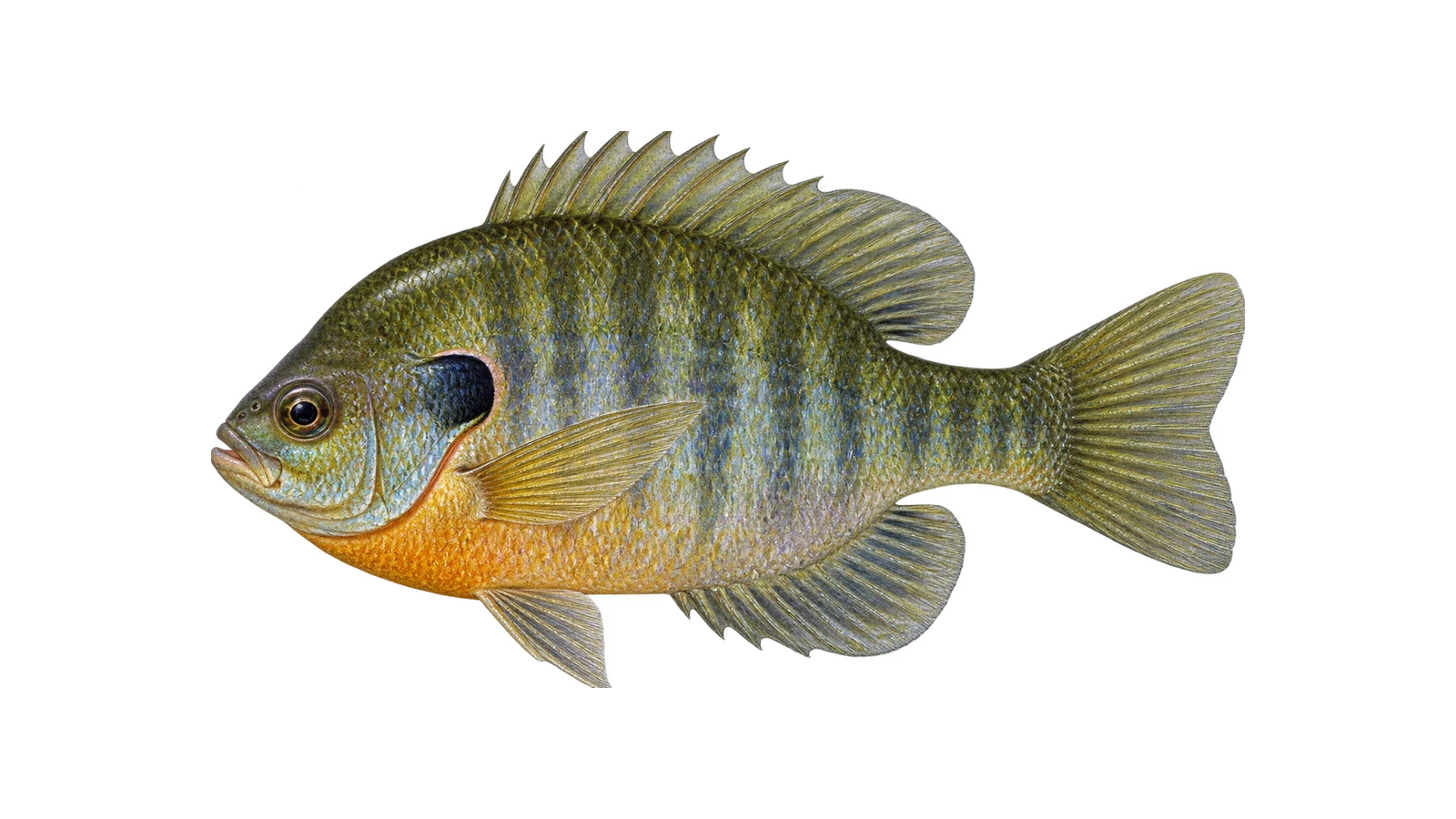
Bluegill have a small mouth, a dark flap on the gill cover and a dark spot near the rear of the dorsal fin. Colors vary with age, habitat and breeding condition.
Habitat and environment
The Michigan DNR describes bluegill in warm waters with underwater cover including vegetation, submerged wood and drop-offs. The habitat description alone cannot establish their presence in a named lake.
Food and seasonal behavior
Bluegill feed on aquatic insects, small invertebrates and other small prey. Spawning often occurs in warmer months in shallow nests.
Where this fish fits into Michigan's waters
Bluegill are among Michigan's familiar recreational sunfish. Confirm actual records and local rules before associating them with a specific lake.
From a species guide to the right water
Start with the Michigan DNR's Better Fishing Waters directory, which lists waterbodies alongside species recommended by fisheries management biologists. Confirm the county and full waterbody identity before linking any record to a LakeLocale lake. A historic recommendation is not a current population survey or guarantee of catch.
For current access, use the public boat ramps directory; for geographic context, explore Michigan lake locations or available official depth maps.