Know the species
Identification, habitat and behavior at a glance, based on statewide guidance from the Michigan DNR.
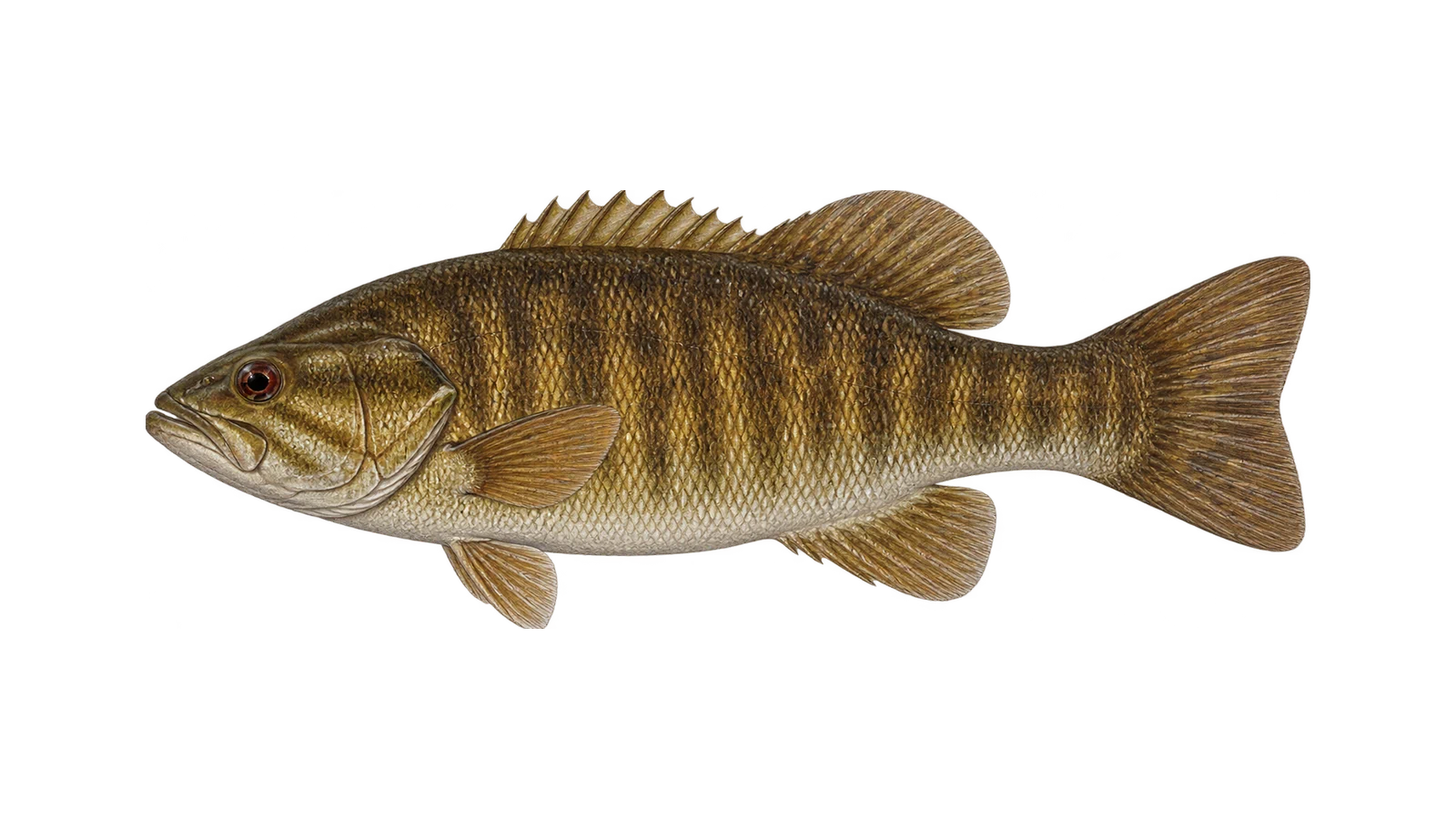
How to identify Smallmouth Bass
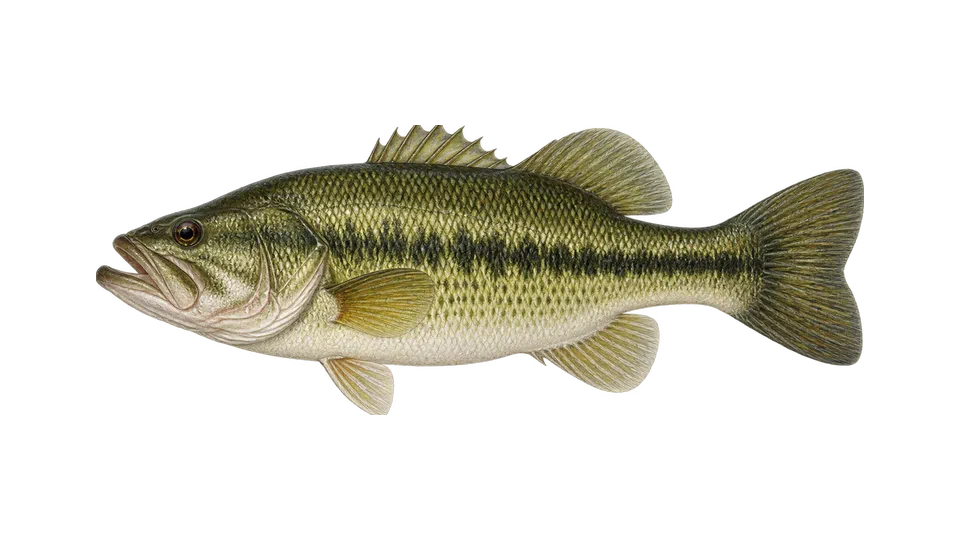
Compared with largemouth bass, the jaw typically reaches about the middle of the eye rather than beyond it. Bronze coloration and markings on the cheek can help with identification.
Habitat and environment
The Michigan DNR associates smallmouth bass with rocky habitat, flowing waters and some Great Lakes shorelines. The species can also occur in inland lakes, but the presence of a GNIS lake entry cannot confirm it.
Food and seasonal behavior
Young fish initially eat small crustaceans and insects; larger smallmouth bass also consume fish. They spawn in spring when water warms and males guard nests.
Where this fish fits into Michigan's waters
The DNR highlights smallmouth fishing opportunities in Michigan's Great Lakes connections, rivers and northern Lower Peninsula lakes. Suitability of a specific lake requires a documented local source.
From a species guide to the right water
Start with the Michigan DNR's Better Fishing Waters directory, which lists waterbodies alongside species recommended by fisheries management biologists. Confirm the county and full waterbody identity before linking any record to a LakeLocale lake. A historic recommendation is not a current population survey or guarantee of catch.
For current access, use the public boat ramps directory; for geographic context, explore Michigan lake locations or available official depth maps.