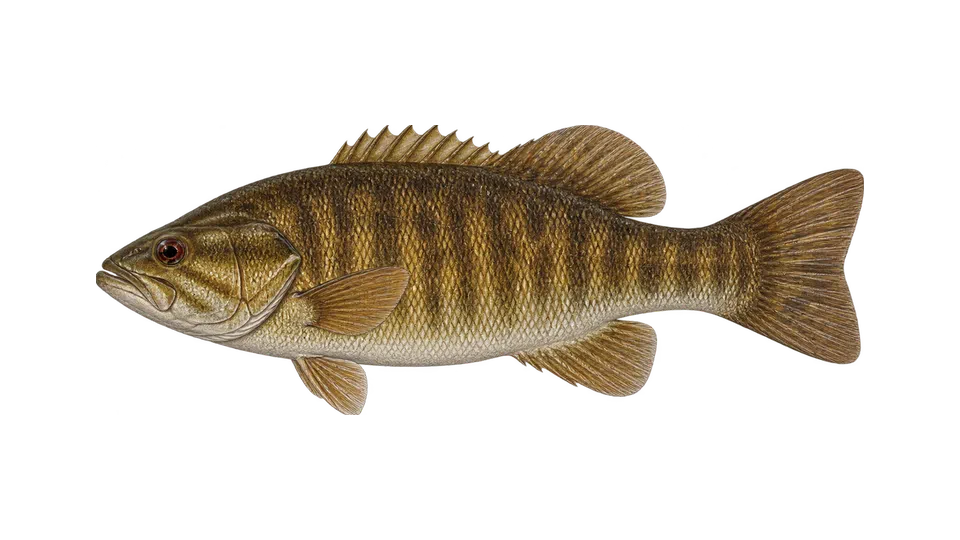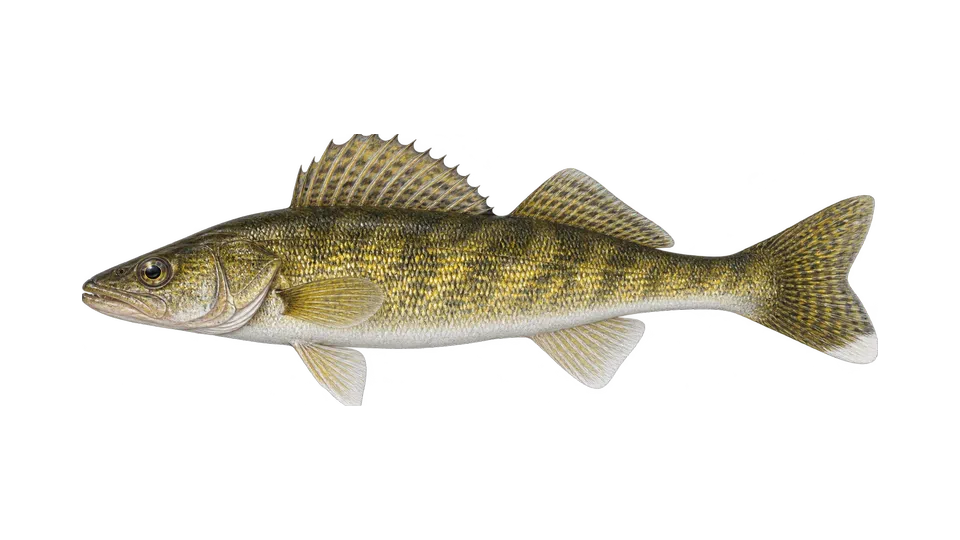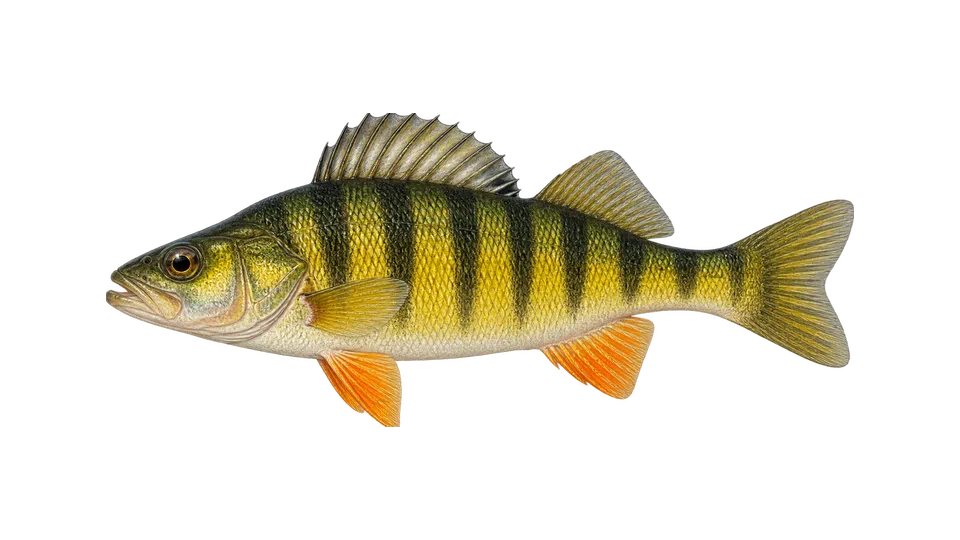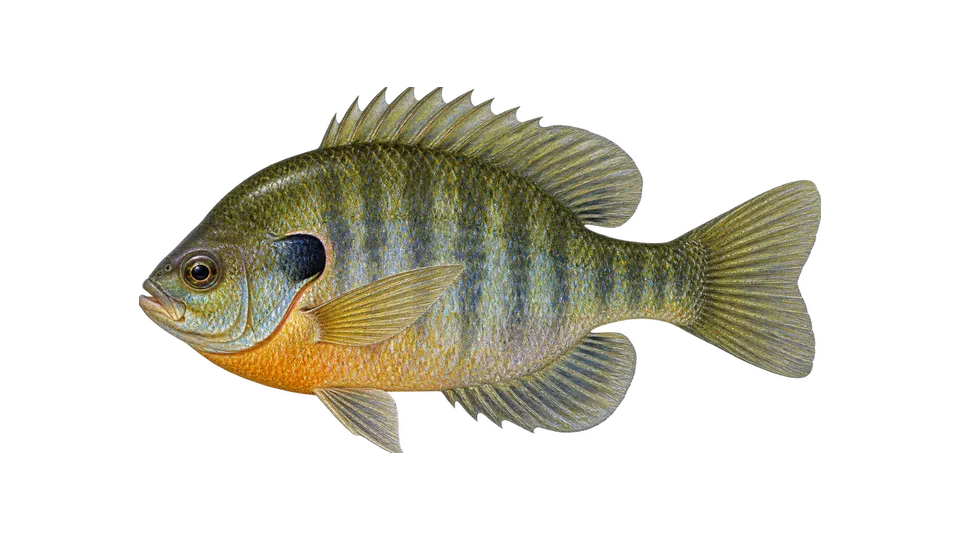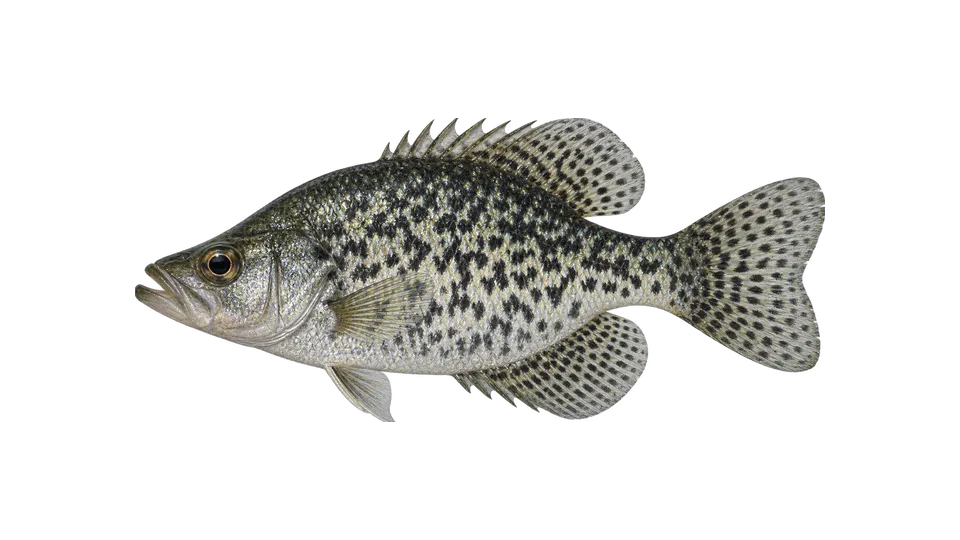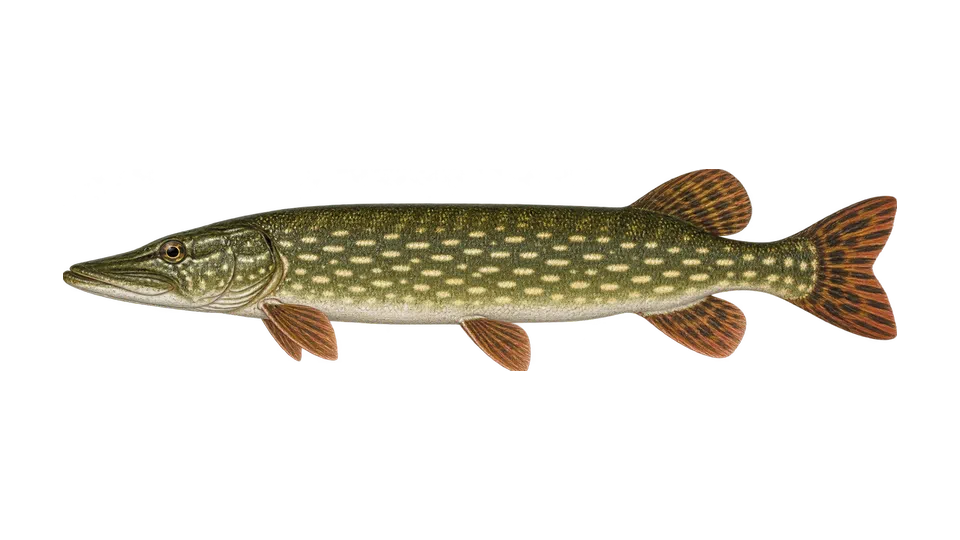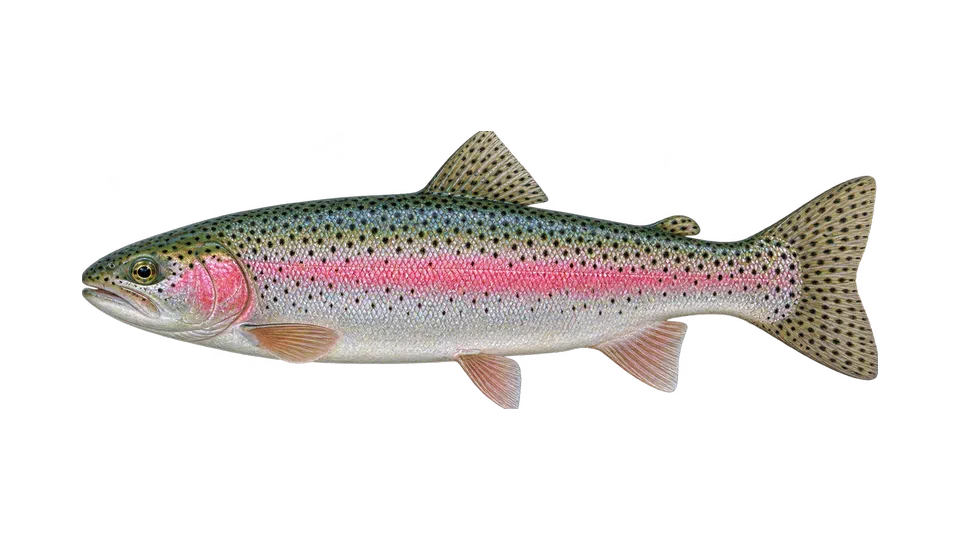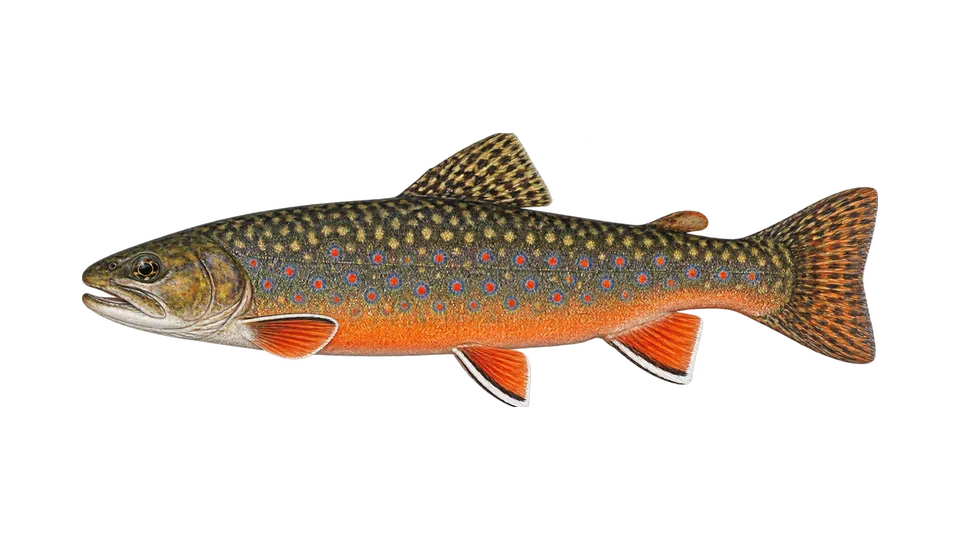
Know the species
Identification, habitat and behavior at a glance, based on statewide guidance from the Michigan DNR.
How to identify Largemouth Bass
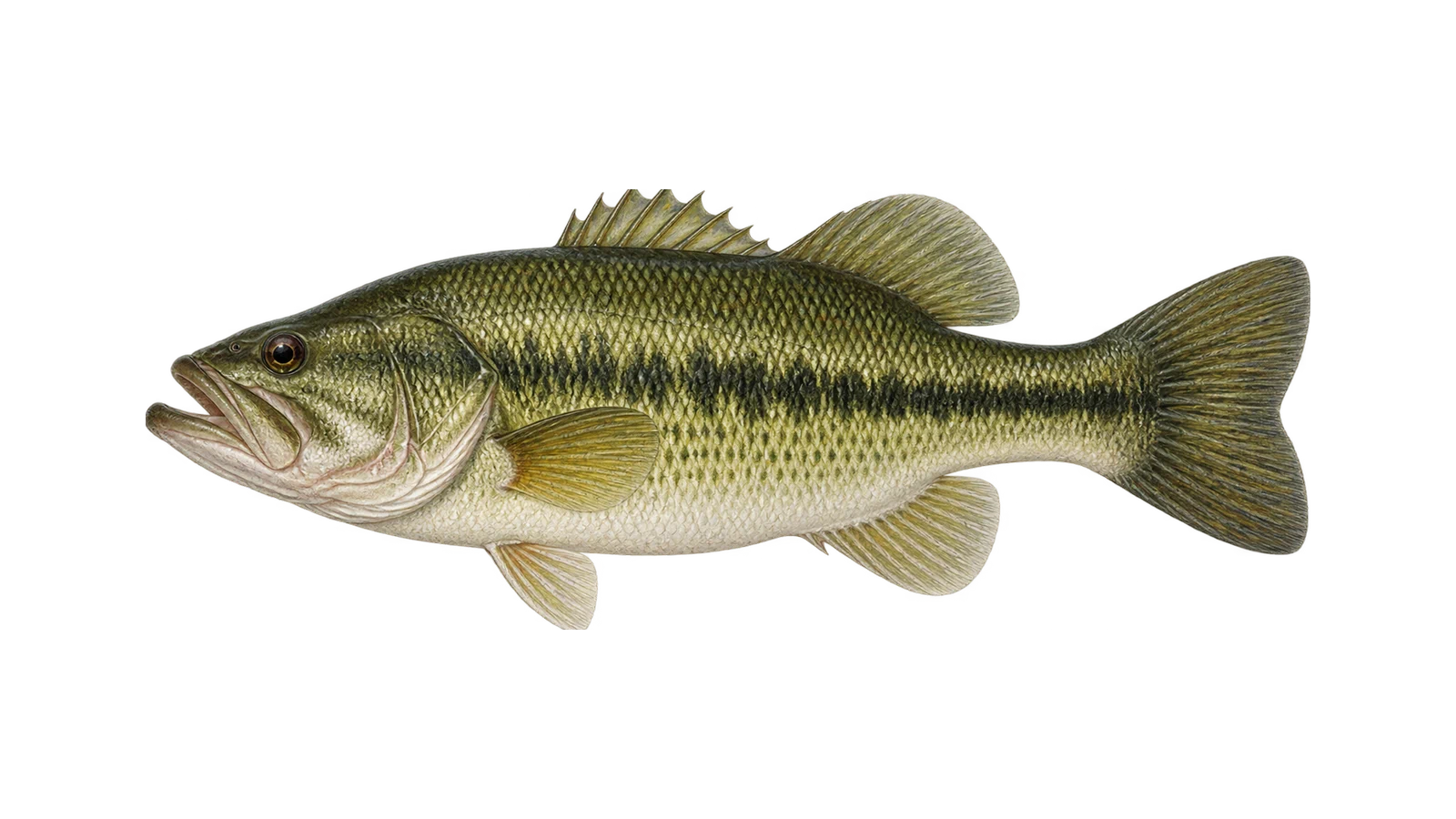
Look for a broad mouth whose upper jaw extends behind the eye, a deep notch between dorsal-fin sections and a dark horizontal stripe on the side.
Habitat and environment
The Michigan DNR describes largemouth bass as favoring relatively warm, quieter water with cover such as weed beds, fallen trees or docks. This habitat description is general, not evidence of occurrence at an individual lake.
Food and seasonal behavior
Adults feed on minnows and other fish, crayfish, amphibians and insects. Their activity and depth can shift with season and water temperature.
Where this fish fits into Michigan's waters
The DNR reports largemouth bass across Michigan, especially in weedier, shallower habitats. Michigan's numerous lakes vary substantially; check waterbody-specific fishery information before planning a trip.
From a species guide to the right water
Start with the Michigan DNR's Better Fishing Waters directory, which lists waterbodies alongside species recommended by fisheries management biologists. Confirm the county and full waterbody identity before linking any record to a LakeLocale lake. A historic recommendation is not a current population survey or guarantee of catch.
For current access, use the public boat ramps directory; for geographic context, explore Michigan lake locations or available official depth maps.